The Key Differences Between PVC and Polycarbonate

In many industries, choosing between PVC vs. polycarbonate is more than a technical decision. It affects project performance, durability, and long-term cost efficiency.
With years of experience supplying piping and plastic solutions, Polyfab Plastic Industry LLC provides reliable materials that meet different industrial needs. Understanding the difference between PVC and polycarbonate helps you make smarter project decisions.
Significant Differences Between PVC and Polycarbonate
Understanding how PVC and polycarbonate compare helps avoid costly mistakes and ensures the right material is selected for the right application.
Below is an overview of each material:
PVC
Polyvinyl chloride is a synthetic plastic produced by polymerizing vinyl chloride. It is a versatile material that can be made flexible (plasticized PVC) or rigid (unplasticized PVC).
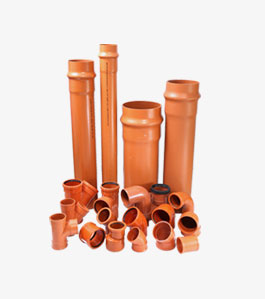
Plasticized PVC is the preferred material for construction supplies, such as pipes, cable insulation, and toys. On the other hand, un-plasticized PVC is used in window frames and other plumbing and drainage products.
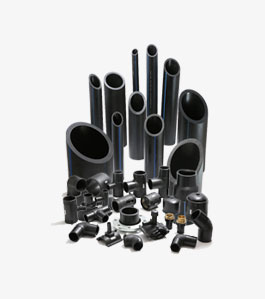
PVC pipes in the UAE offer sufficient durability for non-critical applications. offer sufficient durability for non-critical applications.
Polycarbonate
PC is a rigid yet durable plastic made of bisphenol A (BPA) and phosgene. It melts when exposed to high temperatures, but can be cooled again without compromising its quality.
This thermoplastic is tough and considered unbreakable in many applications. It also has high thermal stability, which makes it a preferred material in electronic devices, safety equipment, and automotive components. Its light transmission qualities make it a popular option for skylights and greenhouse roofing.
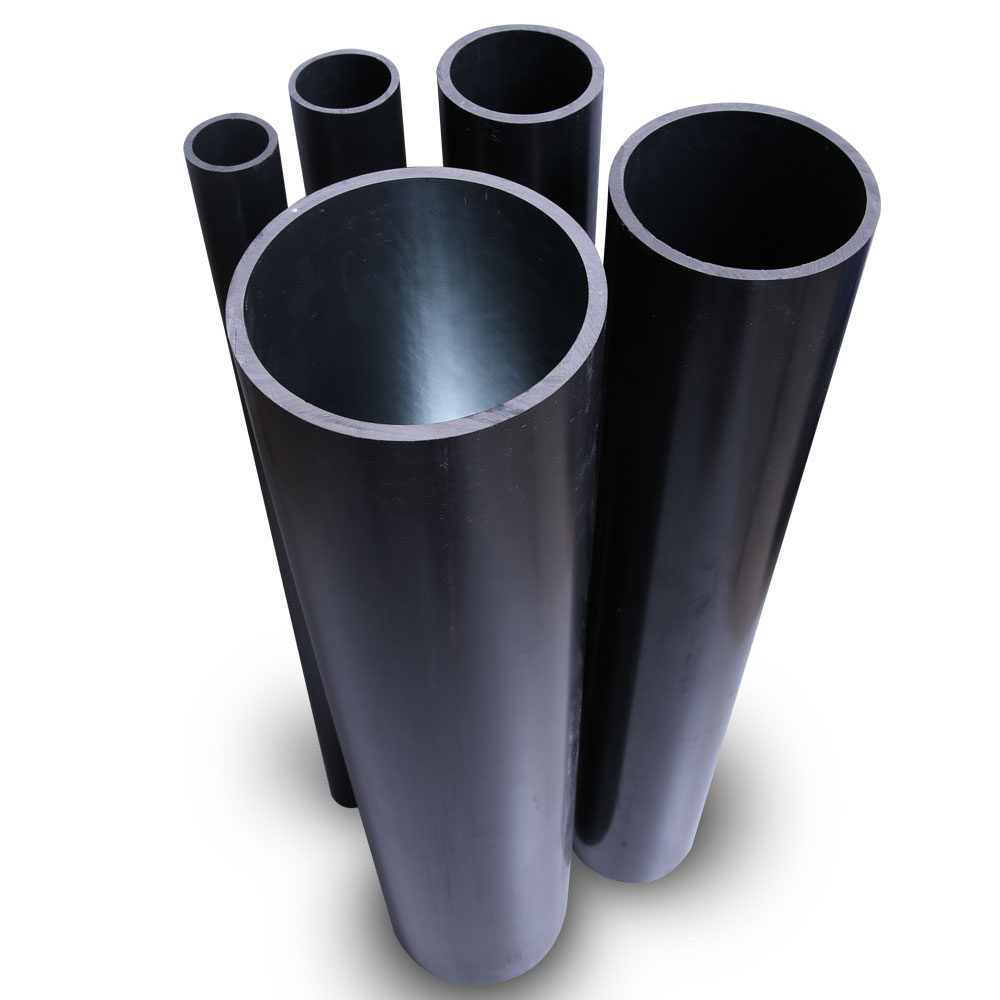
PVC vs. Polycarbonate
Here’s a closer look at how PVC and polycarbonate compare across key factors:
Strength, Durability, and Impact Resistance
Polyvinyl chloride is known for its excellent mechanical strength and durability. The plasticized option is less prone to breaking and more flexible.
Polycarbonate is at least 200 times stronger than glass. Because of this, it is more durable and impact-resistant than PVC.
So, in the polycarbonate vs. PVC: which is stronger debate, polycarbonate comes out on top.
Chemical Resistance
PVC has been proven to be resistant to many chemicals, salts, acids, and alkalis. PVC duct pipes and other supplies are often chosen in industrial applications where the product will be exposed to harsh chemicals.
Polycarbonate must be coated to resist harsh chemicals at room temperature. Unfortunately, this resistance decreases in extremely hot conditions.
Heat Resistance
PVC is less heat-resistant and may warp when subjected to high temperatures. As such, it is not recommended for applications that may expose the material to extreme heat.
PC is known for its high thermal resistance. Products made of this material maintain their quality and do not deform even when exposed to extreme heat.
Flexibility
Polyvinyl chloride is highly flexible, which means it can be easily cut, molded, and welded into different shapes for various applications.
Polycarbonate can also be easily molded and thermoformed, but its softness makes it susceptible to scratching. For some applications, it also needs a protective coating.
Sustainability
PVC pipe fittings and other products are recyclable through mechanical and chemical methods. However, the process may become complicated if the material contains chlorine and other additives.
Polycarbonate is recyclable as well, but the recycling process can be energy-intensive.
Cost
Polyvinyl chloride supplies, including PVC pipe accessories, are highly affordable, making them a cost-effective option for most applications and projects.
Polycarbonate is considered a premium material, which is why it is more expensive
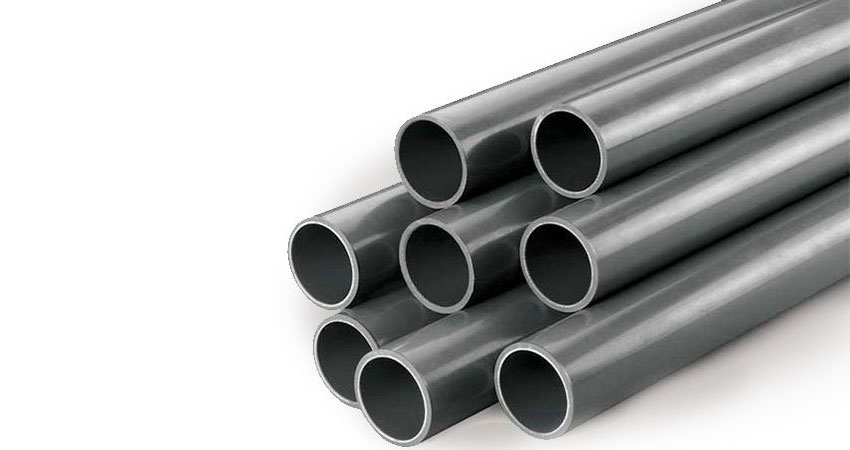
Which Is Better, PVC or Polycarbonate?
Both PVC and polycarbonate have their own advantages and disadvantages. You can choose the right type of pipe and piping accessories by considering your project’s unique requirements.
PVC is a better option if you need pipes for plumbing and electrical systems. It is also ideal for medical and industrial applications, wherein the features may be exposed to chemicals.
PVC pipes are easy to install and budget-friendly, allowing you to complete projects quickly without breaking the bank.
If you have a substantial budget and need high-impact, transparent tubes for safety barriers or high-security installations that may be exposed to extreme temperatures, opt for polycarbonate.
Get Expert Advice
Get advice from our friendly experts on using PVC vs. polycarbonate.
We’re happy to answer your questions, no strings attached.
Frequently Asked Questions
1. Which lasts longer, PVC or polycarbonate?
Polycarbonate lasts longer due to its strength and durability. It also better resists high temperatures, making it more long-lasting in nearly all conditions.
2. What are the disadvantages of polycarbonate?
The main disadvantage of polycarbonate is its high cost. It also requires additional coating to resist harsh chemicals. This quality diminishes when it is constantly exposed to high temperatures.
3. What are the disadvantages of PVC plastic?
PVC is less heat-resistant and tends to discolor over time if not treated with UV stabilizers.
4. Which is the strongest roofing sheet?
When PVC and polycarbonate are compared, polycarbonate is the stronger material for roofing sheets.
5. Is polycarbonate affected by sunlight?
The high thermal resistance quality of polycarbonate means that it won’t be too affected by sunlight and UV rays.
6. Which one is better, polycarbonate or plastic?
Polycarbonate is a type of plastic. However, it exceeds several types of standard plastics in terms of strength, heat resistance, and other factors. Other plastics, like PVC, may be more cost-effective and suitable for less demanding uses. Consider your priorities to make sure you choose the better option.
PVC and polycarbonate both serve important roles in modern industries. Choosing the right one depends on balancing performance, durability, and cost.
Contact Us to know your options for your piping projects.
We're here to help
Let our specialists help you find the right piping products for your needs. Get access to expert services and top-of-the-line supplies for quality, on-time, professionally delivered projects. Get in touch with the Polyfab team today.